Age is just a Number
How lifestyle, movement, and mindset—not age—determine vitality and longevity
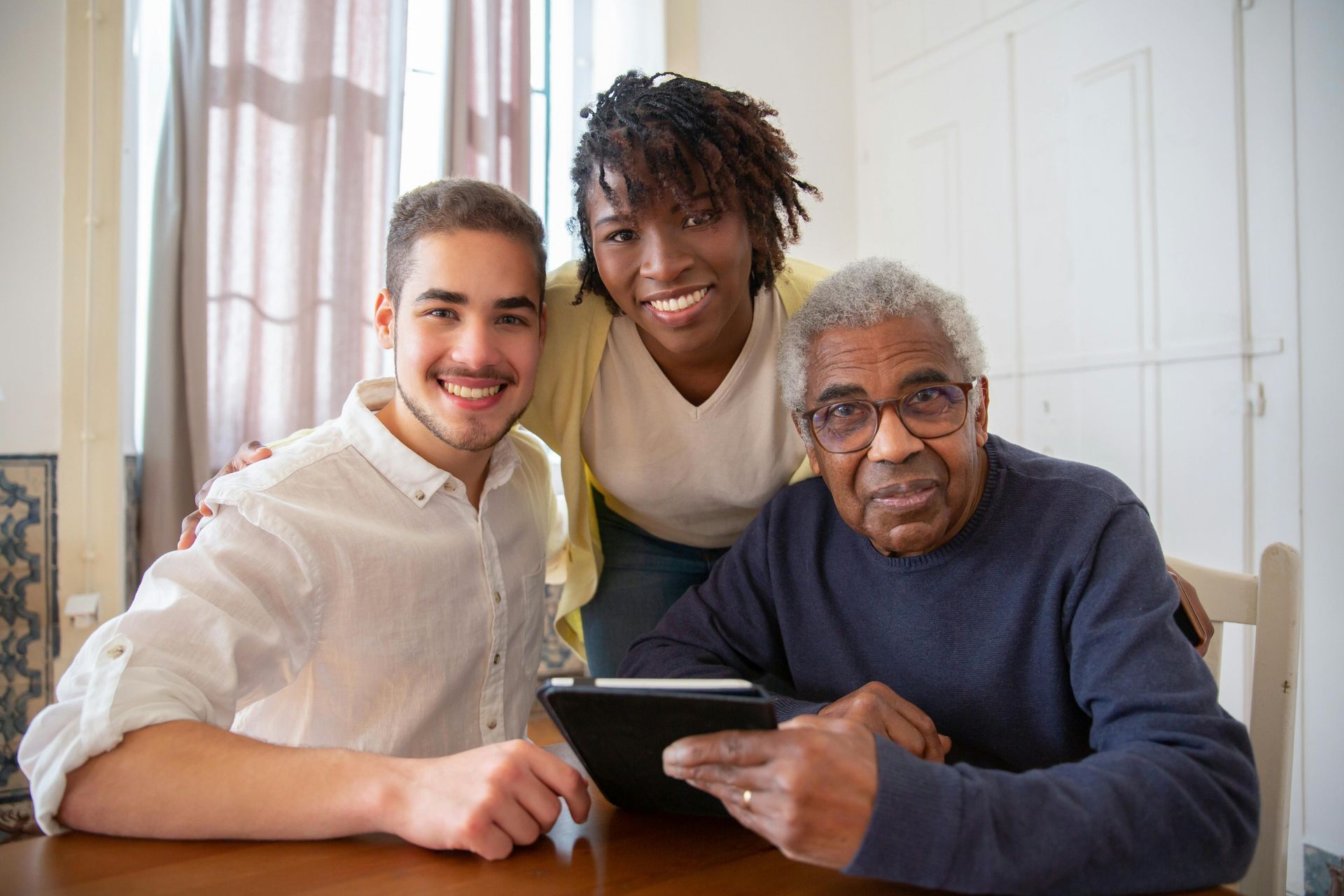
Aging is a natural part of life, but slowing down doesn’t have to be. Many people assume that reduced mobility, pain, or fatigue are unavoidable signs of aging—but that’s simply not true.
With the right habits, mindset, and support, older adults can stay active, independent, and strong well into their later years. Age is truly just a number; how you feel is what matters most.
1. Your Body Is Built to Move—At Every Age
Movement keeps joints lubricated, muscles strong, and energy levels high. Even gentle daily exercise like walking, stretching, or light strength training makes a huge difference.
Staying active helps to:
- Improve balance and reduce fall risk
- Boost heart health
- Maintain healthy weight
- Keep muscles strong and flexible
- Improve mood and confidence
Small steps add up—consistency is what counts.
2. Strength Doesn’t Decline as Fast as You Think
It’s a common myth that muscle loss is unavoidable. In reality, adults of any age can build strength with safe exercises recommended by physiotherapists.
Simple resistance activities like:
- Using resistance bands
- Chair squats
- Light dumbbells
- Body-weight movements
…can significantly improve strength, stability, and day-to-day function.
3. Mindset Matters More Than Birthdays
What you believe about aging shapes how you live. A positive mindset has been linked to:
- Lower risk of chronic illness
- Better memory
- Improved mental health
- Greater independence
Seeing aging as an opportunity—rather than a decline—helps individuals stay motivated and engaged.
4. Pain Isn’t “Part of Getting Old”
While musculoskeletal pain is common, it shouldn’t be accepted as normal. Conditions like arthritis, back pain, or joint stiffness can be managed with proper guidance.
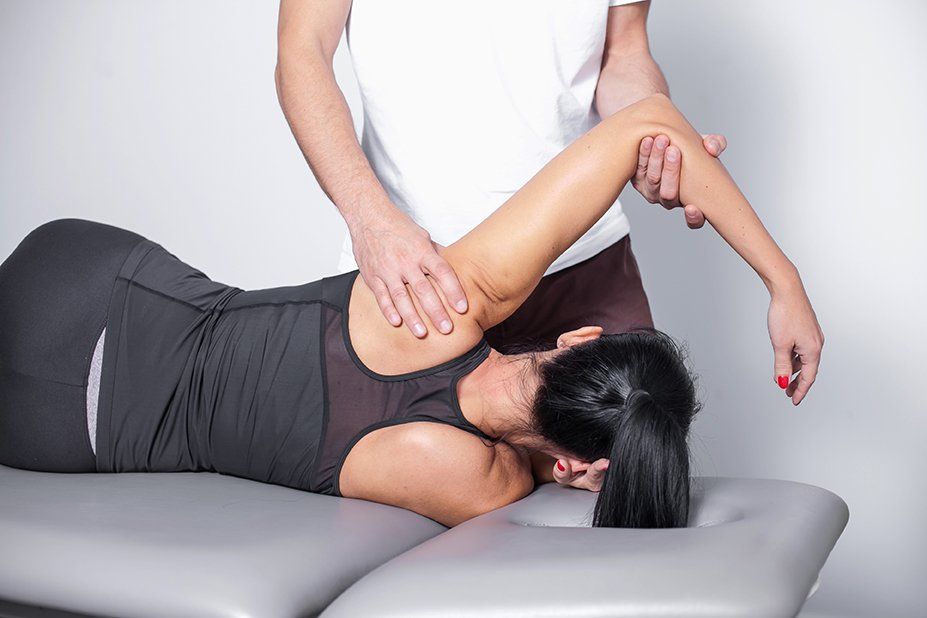
Physiotherapy can help by:
- Improving joint mobility
- Reducing pain
- Strengthening surrounding muscles
- Teaching safe movement patterns
Seeking help early prevents small issues from becoming major limitations.
5. Social Connections Keep You Young
Staying connected—through community groups, exercise classes, volunteering, or hobbies—improves mental and emotional well-being.
Social engagement:
- Reduces stress
- Improves mood
- Encourages healthier habits
- Boosts longevity
Being active socially is just as important as being active physically.
6. Healthy Habits Support Healthy Aging
Daily lifestyle choices play a big role in how you feel:
- Eat balanced meals rich in fruits, vegetables, and lean protein
- Stay hydrated
- Get adequate sleep
- Keep up with regular health check-ups
Healthy habits create long-lasting benefits, no matter your age.
Final Thoughts
Aging is a journey—one that can be full of strength, movement, and fulfillment. With supportive care, a positive outlook, and consistent healthy habits, older adults can enjoy life with independence and confidence.
Remember: age is just a number, but how you live each day makes all the difference.