Treating Injuries with Tape

Titilayo Alemika • March 12, 2019

How taping techniques support healing, reduce pain, and improve movement
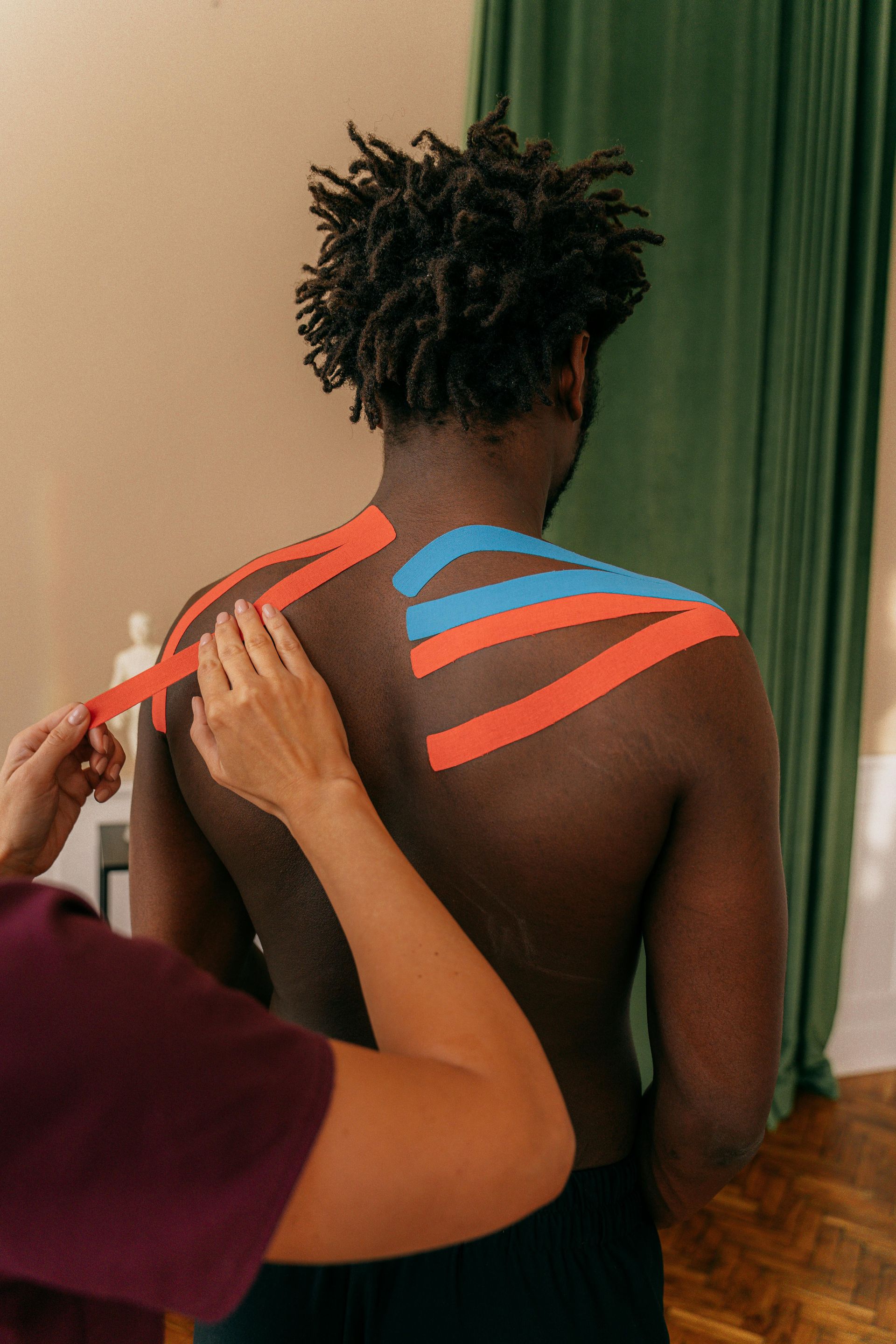
Kinesiology tape, also known as kinesio tape, is a stretchy, elastic tape that is almost identical to human skin. It can help you treat a wide range of sports injuries and control inflammatory conditions.


Therapeutic taping has become a popular and effective way to support injured muscles and joints. Whether someone is recovering from a sprain, managing chronic discomfort, or looking for extra stability during daily activities, taping can be a simple yet powerful tool. When applied correctly, it helps reduce pain, promote healing, and improve movement — making it a valuable option for many people.


1. What Is Therapeutic Taping?

Taping involves applying specialised adhesive tape to the skin to support the body’s natural healing process. Physiotherapists use different types of tape—like rigid athletic tape or stretchy kinesiology tape—depending on the type of injury and level of support needed.


2. How Taping Helps With Injuries

Taping can assist recovery in several ways:

  • Reduces pain: By lifting the skin slightly, taping decreases pressure on pain receptors.
  • Supports muscles and joints: Helps stabilise injured areas without restricting movement.
  • Improves circulation: Encourages blood flow and lymphatic drainage, which reduces swelling.
  • Encourages proper movement: Guides joints and muscles into healthier positions.

These benefits make taping useful for sprains, strains, tendon issues, back pain, and sport-related injuries.


3. Common Conditions Treated With Tape

Physiotherapists frequently use taping for:

  • Ankle sprains
  • Knee pain or instability
  • Shoulder injuries
  • Lower-back pain
  • Tennis elbow or wrist strain
  • Muscle tightness or swelling

It provides gentle support while allowing the body to move naturally.


4. Why It’s Important to Get Tape Applied Properly

Although taping is simple, proper technique matters. Incorrect taping can limit circulation, cause discomfort, or fail to provide the needed support. A trained physiotherapist knows how to:

  • Position the body correctly
  • Apply the right amount of tension
  • Choose the right taping pattern
  • Ensure safe, comfortable, and effective support

Good taping work should feel supportive—not restrictive or painful.


5. Complementing Taping With Physiotherapy

Taping works best when combined with targeted physiotherapy treatments, such as:

  • Strengthening exercises
  • Stretching
  • Soft-tissue therapy
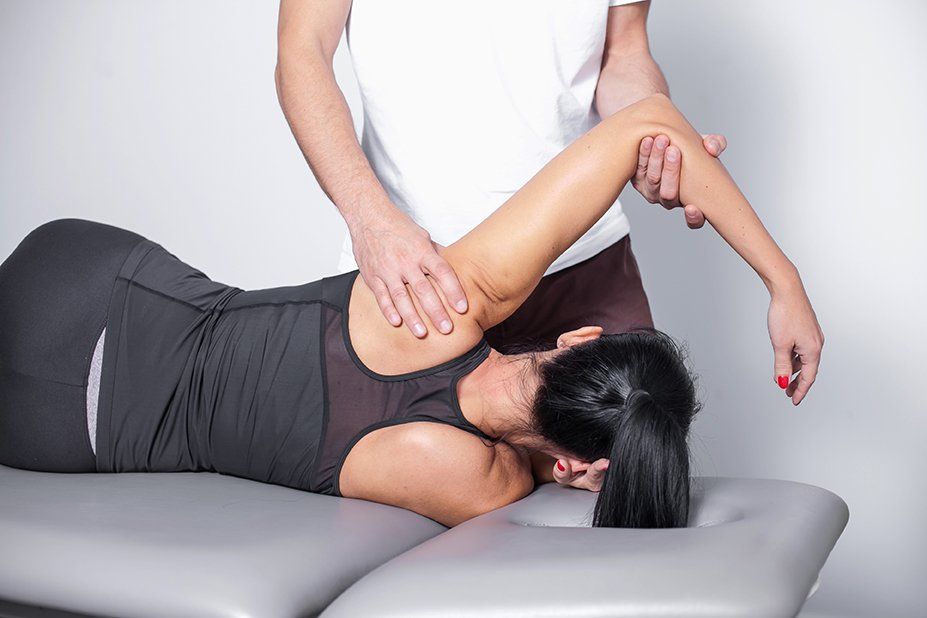
  • Manual techniques
  • Activity modification

Together, these approaches help restore mobility, speed up recovery, and prevent future injuries.


Final Thoughts

Taping is a simple, non-invasive method to support healing and improve comfort during recovery. When applied by a trained physiotherapist, it can reduce pain, enhance movement, and provide the stability needed to stay active.


If you’re dealing with an injury or discomfort, taping may be a helpful part of your treatment plan.

By Titilayo Alemika November 23, 2025
At Possible Physiotherapy, we understand that living with musculoskeletal (MSK) issues can be challenging. Here are some strategies to help improve your well-being and manage pain effectively: 1. Stay Active: Regular exercise can help strengthen muscles and improve flexibility. Consider low-impact activities such as swimming, cycling, or yoga, which are gentle on the joints. 2. Practice Good Posture: Maintain proper alignment whether sitting or standing. Ergonomic chairs and supportive cushions can make a significant difference, especially during long periods of sitting. 3. Heat and Cold Therapy: Apply heat to stiff muscles and joints to relax and soothe, while cold packs can reduce swelling and numb sharp pain. Alternate between the two for optimal relief. 4. Healthy Weight Management: Maintaining a healthy weight can alleviate pressure on your joints, particularly in the knees, hips, and spine. A balanced diet combined with regular exercise is integral. 5. Stay Hydrated: Drink plenty of water throughout the day. Proper hydration supports joint lubrication and overall muscle function. 6. Mindfulness and Relaxation Techniques: Engage in mindfulness practices like meditation or deep-breathing exercises to reduce stress and help manage pain. This can also improve your overall mental well-being. 7. Physical Therapy: Seek professional guidance from a physiotherapist. A tailored exercise and rehabilitation plan can address your specific needs and improve mobility. 8. Pain Management Strategies: Explore a combination of medication, therapy, and alternative methods. Always consult your healthcare provider before starting any new treatment. 9. Adopt a Consistent Routine: Establishing a daily routine that incorporates exercise, rest, and self-care can provide structure and help manage symptoms more effectively. 10. Stay Connected: Engage with support groups or communities to share experiences and coping strategies. Emotional support is vital in managing chronic conditions. At Possible Physiotherapy, we are here to assist you on your journey towards improved health and well-being. Contact us to schedule a consultation and explore personalised pathways to enhance your physical health.
By Titilayo Alemika November 23, 2025
Maintaining fitness and independence is crucial for older adults. Here are some effective tips to promote a healthy lifestyle: Regular Physical Activity: Encourage daily walks or gentle exercises to enhance mobility and strength. Balanced Nutrition: A diet rich in fruits, vegetables, and whole grains supports overall health. Social Engagement: Participating in group activities can boost mental well-being and motivation. Routine Health Check-ups: Regular visits to healthcare professionals ensure early detection of potential issues. Home Safety Modifications: Simple changes can prevent falls and enhance independence. By integrating these practices, older adults can enjoy a more active and fulfilling life.
By Titilayo Alemika March 12, 2019
How lifestyle, movement, and mindset—not age—determine vitality and longevity
By Titilayo Alemika March 12, 2019
Safe physiotherapy techniques to support comfort, mobility, and strength during pregnancy
By Titilayo Alemika March 12, 2019
How physiotherapy helps swimmers prevent injuries, improve performance, and stay pain-free