Physio during Pregnancy
Safe physiotherapy techniques to support comfort, mobility, and strength during pregnancy
Your pregnant body goes through a lot of changes in a short period of time. Physiotherapy can help you with a thorough assessment of your posture, pelvis, pelvic floor and abdominals, and give you pointers on how to get feel like yourself again.
Pregnancy brings remarkable changes to the body, but it can also come with physical discomfort and new challenges. Physiotherapy offers safe, gentle, and effective support throughout pregnancy — helping expectant mothers move comfortably, stay active, and prepare for childbirth. With personalised techniques, Physio can ease pain, strengthen the body, and promote overall well-being.
1. Why Physiotherapy Helps During Pregnancy
As the body adapts to support a growing baby, muscles and joints experience extra strain. Physiotherapy can help by:
- Reducing back, pelvic, and hip pain
- Supporting posture and alignment
- Improving flexibility and muscle strength
- Increasing comfort during daily activities
- Preparing the body for labour and delivery
These benefits make physio an important part of a healthy pregnancy routine.
2. Common Pregnancy-Related Conditions Physio Can Help
Many expectant mothers experience conditions such as:
- Pelvic girdle pain
- Lower back pain
- Sciatica
- Neck and upper-back tension
- Carpal tunnel symptoms
- Muscle tightness or swelling
Physiotherapists use specific techniques to ease these symptoms safely.
3. Safe Physiotherapy Techniques Used During Pregnancy
Treatment may include:
- Gentle strengthening exercises to support core and pelvic muscles
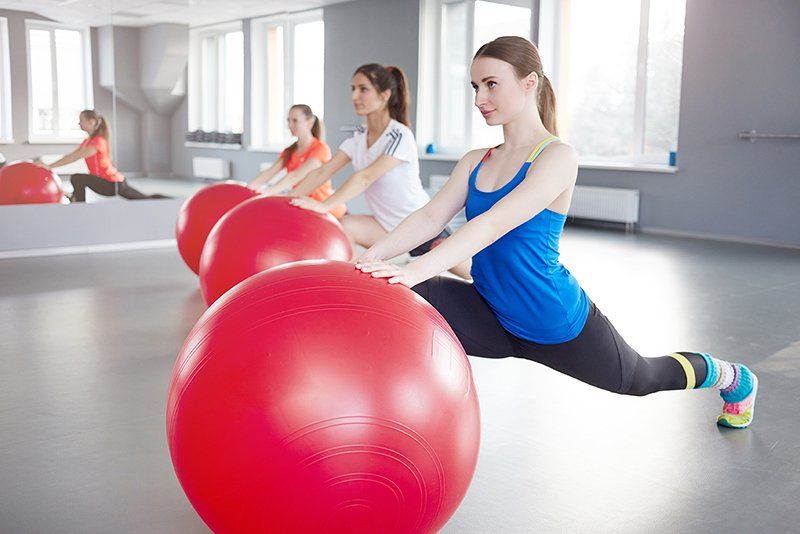
- Stretching and mobility work to relieve tightness
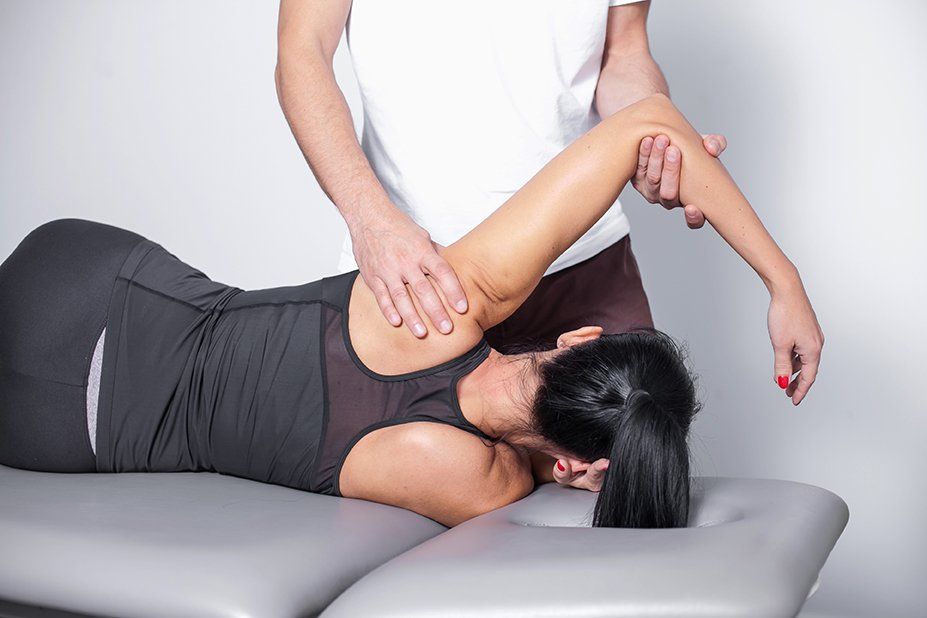
- Manual therapy to reduce pain and improve movement
- Breathing and relaxation strategies to prepare for labour
- Posture and movement training to reduce discomfort in everyday tasks
- Pelvic floor exercises to support birth and postpartum recovery
All techniques are customised to ensure safety for both mother and baby.
4. Staying Active During Pregnancy
Exercise is highly recommended during pregnancy when done safely. A physiotherapist can guide:
- Low-impact aerobic activity
- Pregnancy-safe strength exercises
- Stretching routines
- Balance and stability movements
These activities support energy, mood, and physical comfort throughout each trimester.
5. Preparing for Birth and Postpartum Recovery
Physiotherapy also plays a key role in preparing for childbirth and what comes after. Expectant mothers can learn:
- How to engage the pelvic floor correctly
- Labour and delivery positions
- Breathing techniques for comfort
- How to support the body during postpartum healing
This guidance helps promote a smoother transition into motherhood.
Final Thoughts
Physiotherapy offers safe, effective support throughout pregnancy — helping reduce pain, improve mobility, and prepare the body for labour and recovery. With personalised treatment and gentle exercises, expectant mothers can enjoy a healthier and more comfortable pregnancy.